
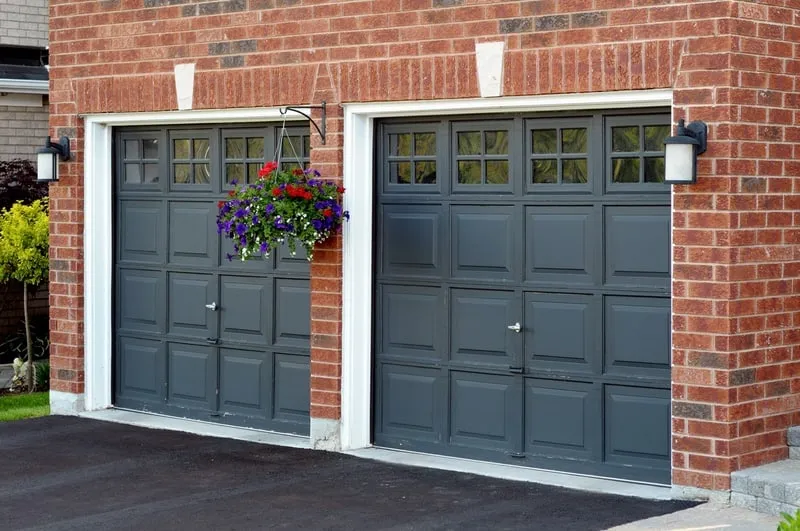
Your garage door is more than a functional element; it’s a pivotal feature of your home’s exterior appeal. At P&G Painting, we understand the transformative power of the right paint, especially when it comes to garage doors. With our deep-rooted experience in exterior house painting in Middleton, we are committed to helping homeowners in their journey towards a visually appealing and long-lasting garage door finish.
We’ve put together a guide to take you step-by-step through the process of choosing the best paint for garage doors.
Choosing the Best Paint for Garage Doors
Garage doors are subjected to varying weather conditions — harsh sun, pouring rain, or freezing snow. High-quality paints do more than just enhance the look; they form a shield against these environmental stressors, reducing the wear and tear on your garage door. Properly applied, it can help prevent rust on metal doors and stop the rot in wooden doors, effectively prolonging the garage door’s lifespan. It is important to choose the best paint for garage doors for the following reasons:
Understanding Different Types of Paint
Here are the 3 common paint types for garage doors:
Latex Paint
This water-based wonder is a breeze to apply and dries with speed. Brimming with color and finish options, it’s known for flexing with the weather, reducing the risk of unsightly peeling or cracking. However, like a finicky guest, it may not stick well to all surfaces—particularly metal—making it a favorite for wooden garage doors.
Oil-Based Paint
Meet the heavyweight champ of paint types. Oil-based paint boasts a glossy, durable finish that clings to surfaces like a starfish, particularly loving metal doors. Resistant to chipping, it’s a long-lasting choice. But, patience is needed as it takes its sweet time to dry. And it has a potent aroma, requiring a little extra work (solvents like mineral spirits) for cleanup.
Acrylic Latex Paint
The best of both worlds, acrylic latex paint is the all-rounder on our list. Marrying the application ease of latex paint with the glossy durability of oil-based paints, it adheres well to multiple surfaces, including metal, making it an MVP for garage doors.
Factors to Consider When Choosing Garage Door Paint
Choosing the right paint for your garage door isn’t a one-size-fits-all situation. Several key elements come into the picture, each influencing the life and beauty of your paintwork. Let’s unwrap these factors:
Common Mistakes to Avoid While Painting Garage Doors
As you set out to transform your garage door, it’s important to sidestep some common mistakes that could jeopardize your efforts. One crucial aspect often overlooked is the weather. Aim to paint on a dry, overcast day with moderate temperatures to prevent weather-related issues. Moreover, the importance of surface preparation cannot be overstated. A well-cleaned and primed door ensures a smooth surface for paint application, enhancing the finish and longevity.
Also, don’t fall into the trap of rushing the drying process. Allowing ample time between coats and before reopening your garage door is essential for a durable, neat finish. Lastly, never compromise on the quality of the paint. Although it might seem like a cost-saving measure initially, low-quality paints can lead to chipping, fading, and the need for frequent repaints.
Revamp Your Garage Door with P&G Painting
Choosing the right paint for your garage door is indeed a game-changer. It shields your door from environmental factors, enhances longevity, and most importantly, it amplifies the visual appeal of your home. This decision is influenced by local weather conditions, the material of your garage door, sunlight exposure, and your personal aesthetic preferences.
But you don’t have to make these decisions alone. At P&G Painting, we extend our expert painting services to Rowley MA, amongst other regions. We stand by you, offering professional guidance and execution, ensuring your garage door is not just functional, but a standout feature of your home’s exterior.
Ready to give your garage door the makeover it deserves? Book a free estimate online or call us at (888) 455-2742.
Garage Door Painting FAQs
Can I paint a garage door without removing it?
Yes — for most projects. Keep the door closed to access the exterior panels, or open it slightly to reach edges and the bottom trim. Tape off all hardware, hinges, and weatherstripping. Paint in mild weather (50–85°F), out of direct sunlight. Do not close the door for at least 48–72 hours after the final coat so the paint cures fully without sticking to the frame or weatherstripping.
How long does garage door paint last?
A properly prepared door painted with a top-quality 100% acrylic exterior paint should last 5–8 years before needing a repaint. In coastal or high-UV exposures (like Massachusetts’ North Shore), expect the lower end of that range. Key factors: quality of prep, primer adhesion, paint quality, sheen level, and number of coats.
What does it cost to have a garage door painted professionally?
For a standard one- or two-car garage door, professional repainting in Massachusetts typically runs $200–$450 for a basic recoat over sound existing paint. If prep work is extensive (scraping, priming bare metal, filling dents), expect $350–$600 or more. P&G Painting offers free on-site estimates — schedule yours here or call (888) 455-2742.
Should I roll or spray garage door paint?
For a DIY project, rolling and brushing is the better approach for most homeowners. Use a 3/8" nap roller for flat panels and a 2" angled brush for recessed panels. Spraying produces a smoother finish faster, but requires careful masking of surrounding surfaces and some experience to avoid runs. Our crews spray on professional jobs, but brush-and-roll gives great DIY results with far less risk.
Can I paint a vinyl garage door?
Yes, with important caveats. Use only paint labeled vinyl-safe or flexible exterior latex. Critically: never paint a vinyl door a darker color than its original shade — the vinyl absorbs more heat and can warp or buckle. Light or medium tones are safe; confirm with the door manufacturer before going dark.
What’s the best color for a garage door for resale value?
Neutral, complementary colors perform best. Match the door color to the front door trim or body color of the house. In New England, classic white, warm gray, black, and deep navy photograph well and appeal to the widest buyer pool. A freshly painted neutral door in excellent condition consistently outperforms a trendy color in poor condition.
When should I NOT paint my garage door?
Call a professional when: the door has structural rot or delamination (wood); rust has perforated the steel panel; existing paint is failing across more than 30% of the surface; or the door is a complex multi-panel carriage-house design where spray equipment delivers a far better result. Our exterior painting team can assess any of these situations at no charge.
Need a Garage Door Painted in Middleton, Boston, North Reading, or Rowley?
P&G Painting has been painting garage doors and exterior surfaces across the North Shore and Boston metro since 2009. We use professional-grade Sherwin-Williams and Benjamin Moore products, apply proper primer on every job, and back our work with a written warranty.
If your garage door is peeling, faded, or overdue for a refresh, we’d love to give you an honest assessment and a no-pressure estimate.
Call or text: (888) 455-2742 | Schedule a free estimate online
By Gabriel Morales, founder of P&G Painting LLC — 15+ years of exterior painting experience across the North Shore and Boston metro. Massachusetts HIC License #[MA HIC #XXXXXX].